The Trillion-Dollar AI Revolution Has an Altitude Problem
In the last five years, satellite numbers have tripled. By 2030, the “Cloud in the Stars” may depend on orbital data centre battery technology.
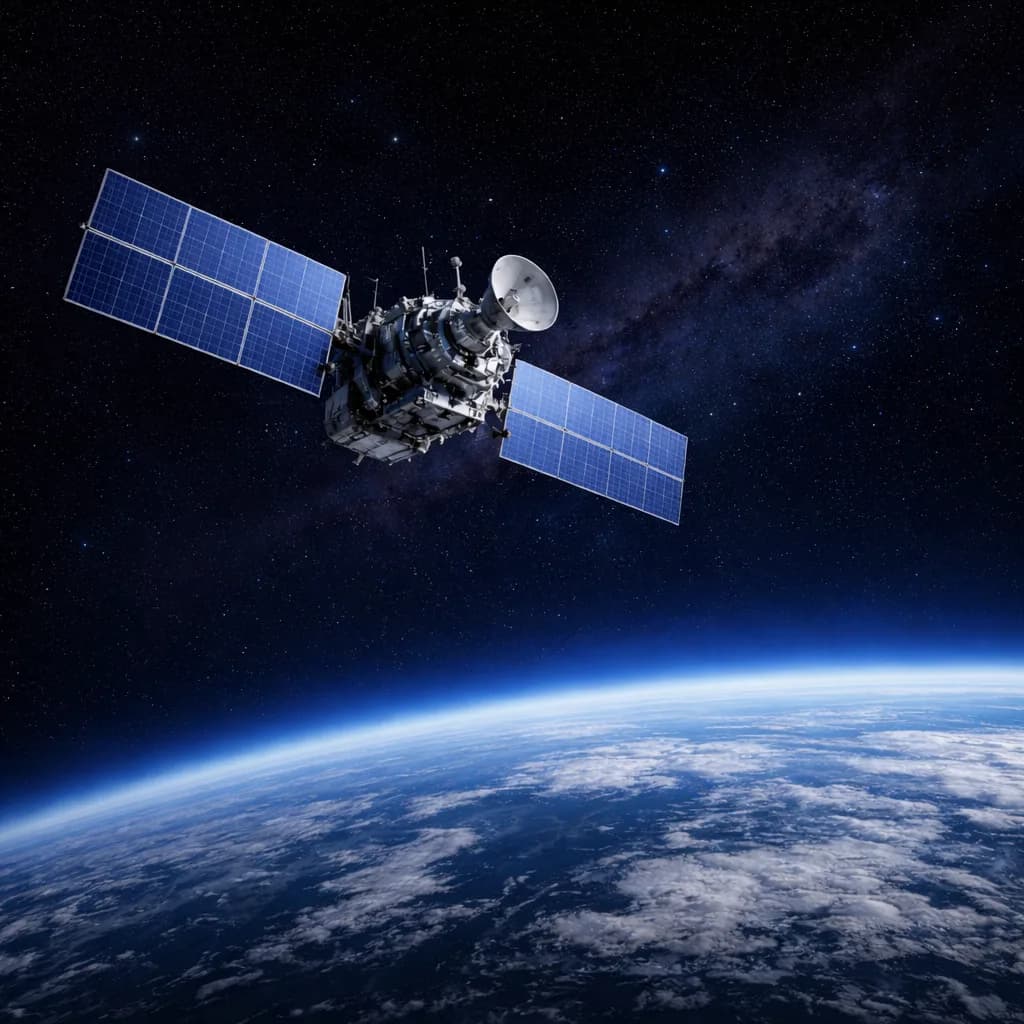
We are living through the greatest "land grab" in aerospace history. In the last five years, the number of satellites in orbit has more than tripled. By 2030, we are no longer just looking at a web of connectivity, but the birth of a new "Cloud in the Stars." The next frontier is about sending data back to Earth and processing it in the silence of the vacuum through orbital data centers.
As a society, we marvel at the reusable rockets that make this possible and celebrate the "democratization of space." However, as we prepare to migrate the engine rooms of the AI revolution into orbit, we are ignoring a critical engineering flaw: we are building the future of global intelligence on a foundation of single-use hardware.
Energy as the Constant of Innovation
While some things in history change, some do not. One constant is that energy is central to innovation and economic success. From the steam engine to the silicon chip, every leap in human capability has been a story of how we harness and store power.
In the 20th century, we mastered energy on the ground. In the 21st, our success depends on how we manage it in the stars. Batteries are both the "constant" and the "change factor" in this journey. They are the silent heartbeat of every orbital server and every AI cluster. Yet, the current "Mega-Constellation" model relies on a cycle of rapid deployment and rapid decay. These assets are effectively disposable, with a design life often capped at just five years.
Replacing a planetary computing infrastructure every five years creates a logistical nightmare, while also placing an environmental and economic burden on the space economy and undermining its long-term ROI.
The Physics of the Torture Test
The primary factor limiting the life of an orbital data centre is not the CPU or the cooling system, but the battery itself. In Low Earth Orbit, a satellite circles the planet every 90 minutes. This means it passes from the searing heat of direct solar radiation to the freezing shadow of Earth 15 times a day. To keep high-density servers running during those eclipses, batteries must charge and discharge over 5,500 times a year.
This is a torture test that standard lithium-ion structures, originally designed for the steady environment of a laptop or an electric car, were never meant to survive. Under this extreme stress, conventional battery designs degrade and lose capacity. When the battery fades, the multimillion-dollar data center becomes orbital debris.
Innovation that Lasts
To achieve the "Final Frontier" of computing, we must stop treating the battery as an afterthought. For too long, the industry has prioritized the speed of launch over the endurance of the asset. While the pressure to scale is immense, we must recognize that we cannot just try to make our innovation happen fast, we have to make it last.
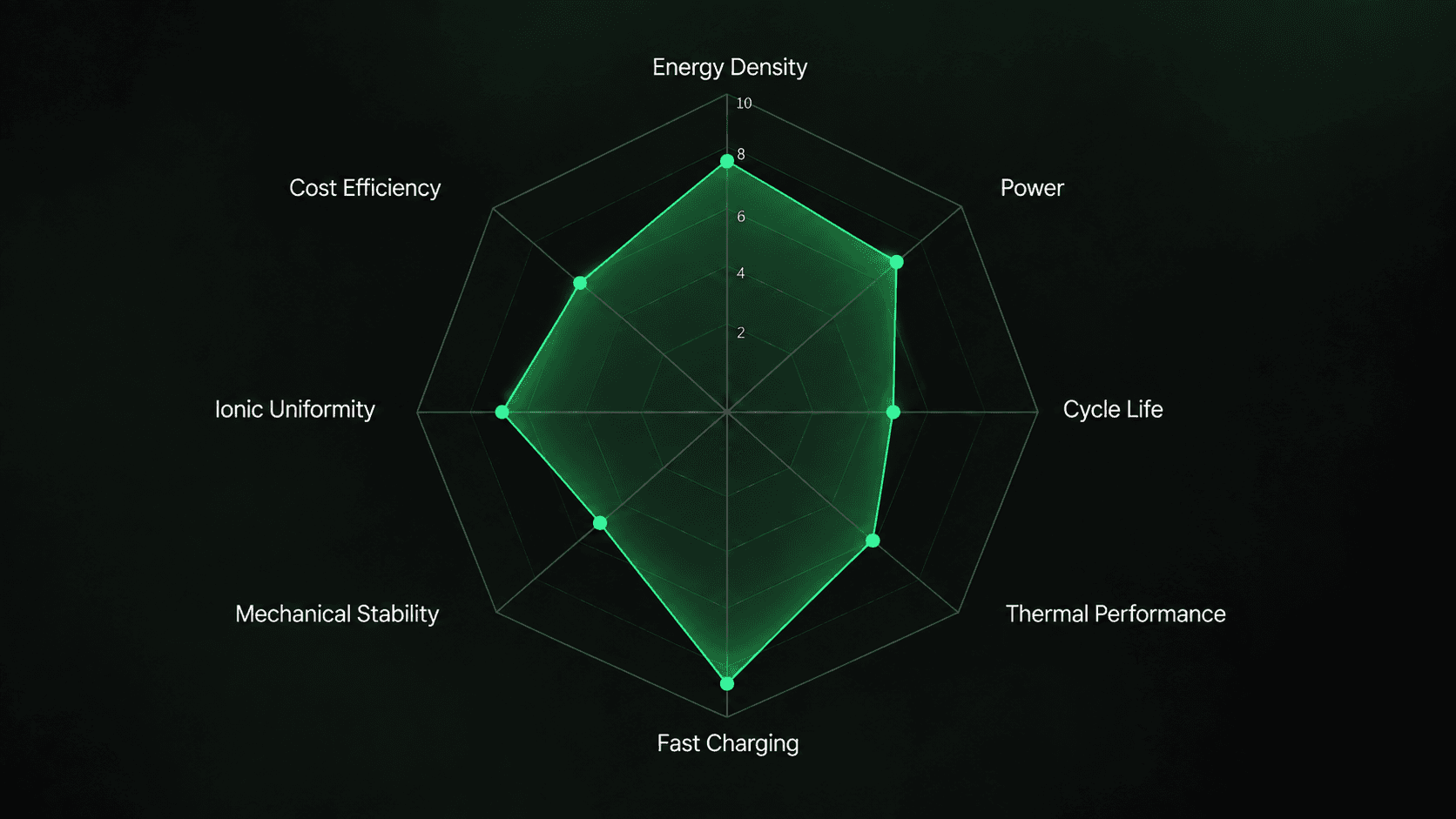
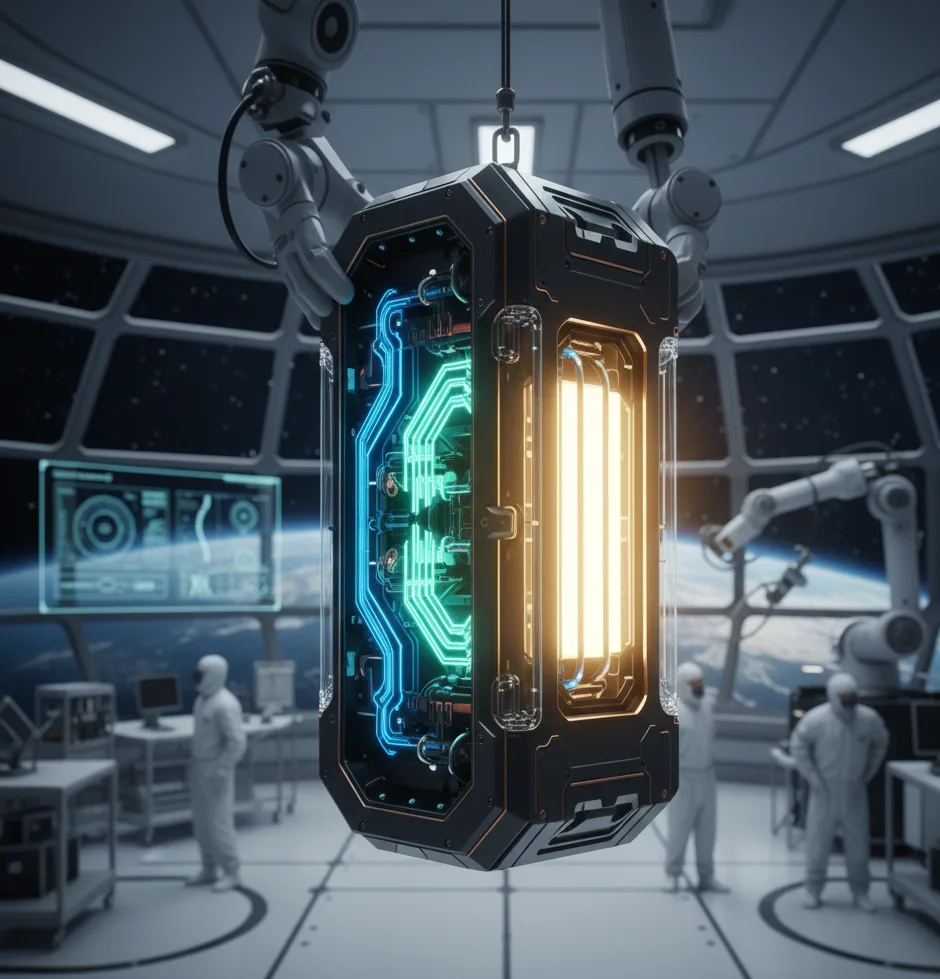
This requires a fundamental shift in engineering philosophy, where batteries are designed alongside the space application rather than as an afterthought. By customizing battery architecture to manage the specific thermal and cycle-life demands of orbital computing, we can optimize performance at a systemic level. Specialized batteries, designed for the rigors of space from the ground up, can extend a satellite's operational life from five years to ten or more.
A Vision for Sustainable Growth
When we design for endurance, we align our technological ambitions with our planetary boundaries. By extending the life of our orbital infrastructure, we cut the required launch cadence in half and reduce the environmental impact of de-orbiting hardware on our atmosphere.
The last decade was defined by mastering the art of getting to space cheaply. The challenge of the next decade is figuring out how to stay there responsibly and powerfully. Energy remains the central pillar of our progress, but only if we build our "Cloud in the Stars" on hardware designed to endure, rather than hardware designed to fail.