AutonomousArchitecture™
Addionics' battery architecture for high-utilization autonomous and electric applications, designed for fast recharge, repeated cycling, minimal downtime, and long-term reliability.
01What it is
Built on Smart 3D Porous Current Collectors, it replaces conventional flat metal foils with a conductive, porous 3D metal structure that becomes part of the cell architecture itself. The result supports more uniform electrolyte movement, improved salt homogeneity, stable ion transport, and more balanced current distribution during repeated cycling and fast recharge.
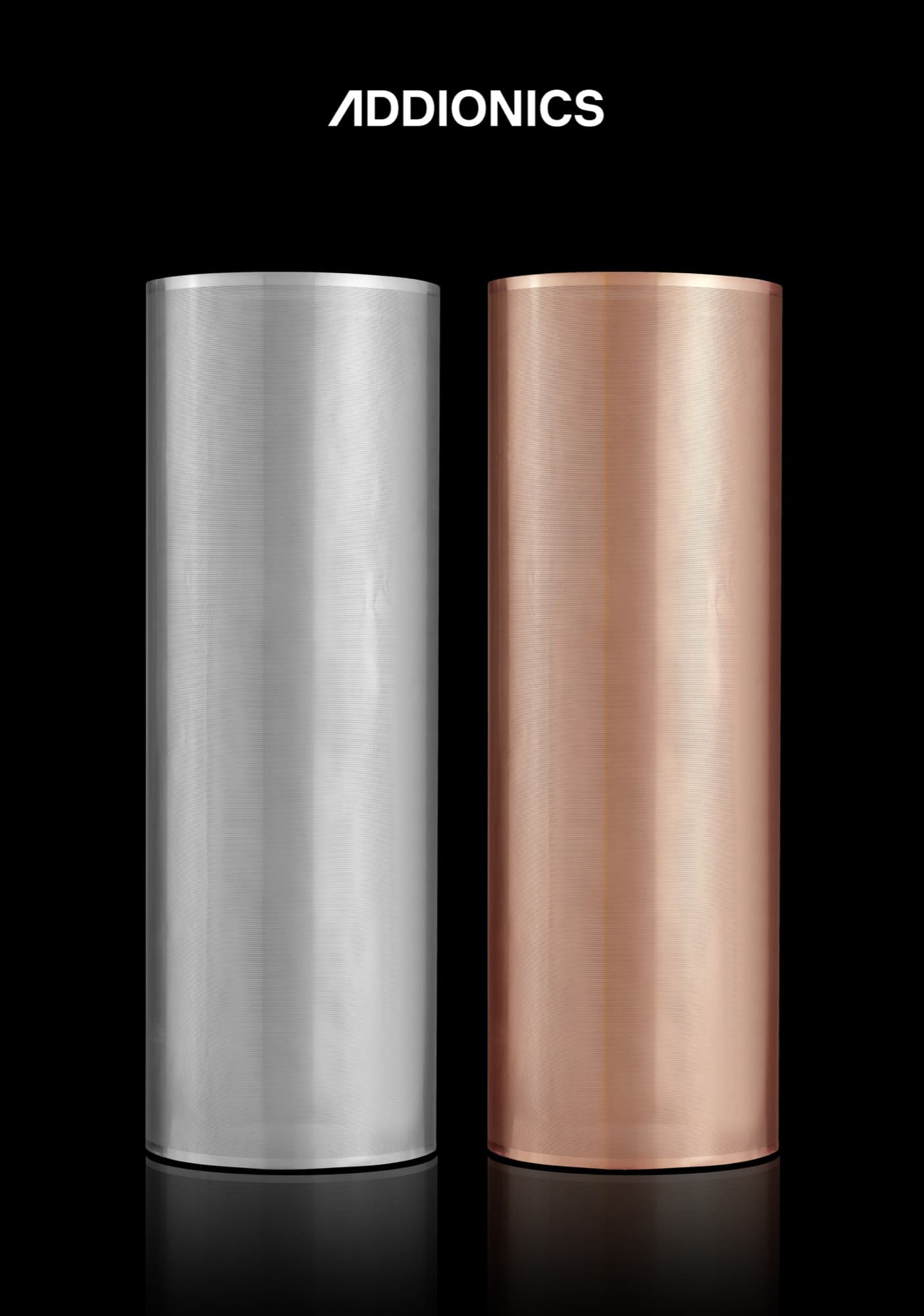
Aluminium and copper, made porous
Smart 3D Porous Current Collectors, in production.

02What it changes
Faster recharge readiness
Supports rapid recharge and redeployment between missions, routes, or shifts.
More stable cycling
Helps reduce internal imbalance during repeated charge-discharge cycles.
Greater usable energy
Supports wider usable operating windows by improving internal cell stability.
Reduced downtime
Designed for applications where every hour off the road, off route, or off mission matters.
Long-term reliability
Supports more stable battery behavior across high-utilization operation.
Architecture-level performance
Improves battery behavior from inside the cell, not only through materials, pack design, or software.
03The science
Under continuous operation, batteries have less time to recover between cycles.
This can create internal concentration gradients that affect ion transport, accelerate degradation, and reduce usable capacity. One mechanism behind this challenge is EMSI, Electrolyte Motion induced Salt Inhomogeneity. Autonomous Architecture™ is designed to support more uniform electrolyte movement, improved salt homogeneity, and more stable performance under high-utilization operation.
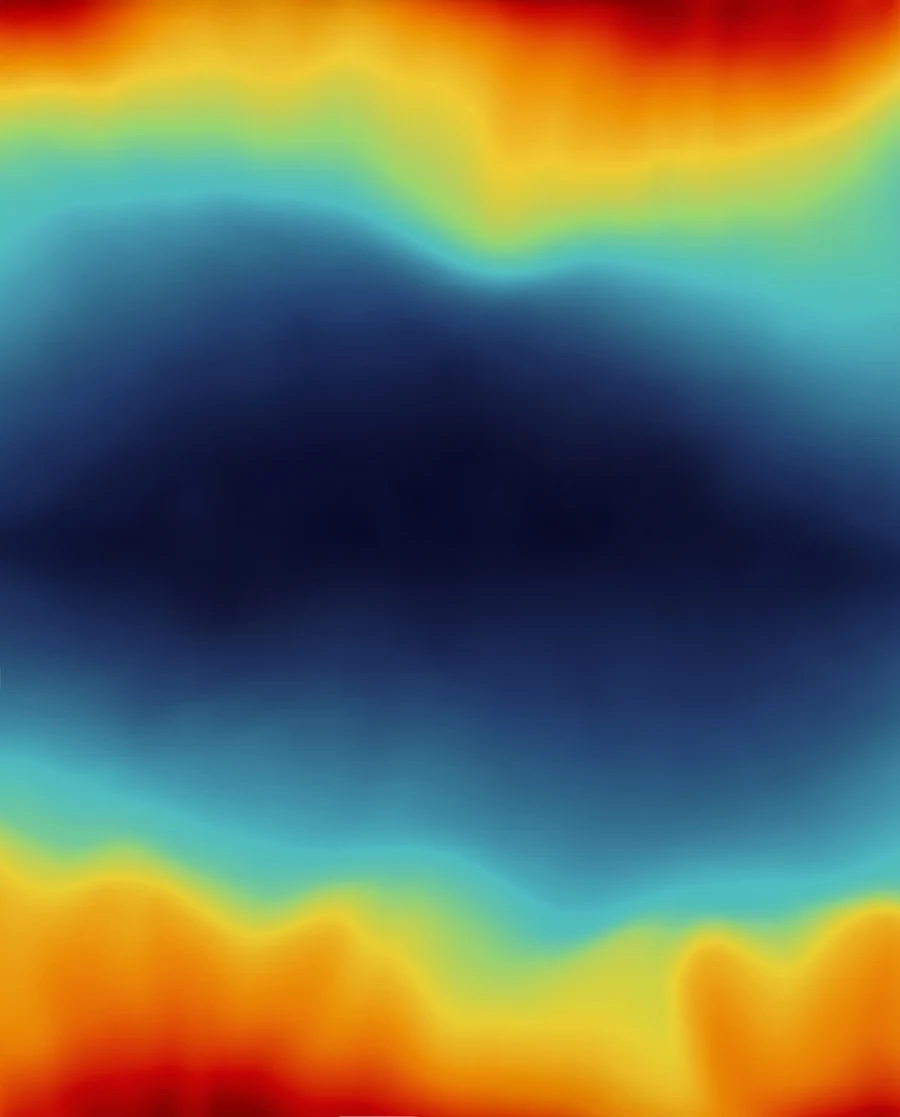

Conventional flat foil
High gradients
Uneven ion transport
3D porous current collector
Reduced gradients
More uniform ion transport
Explore the battery science, the EMSI challenge, and the cell architecture behind 24/7 autonomous operation.
04Where it runs
- Robotaxis
More uptime, wider usable battery windows, and fewer charging interruptions.
- Autonomous & electric trucks
Supports route reliability, reduced charging disruption, and high daily energy throughput.
- Drones & UAVs
Designed for endurance, fast turnaround, mission frequency, and readiness across repeated deployments.
- Robotics & humanoids
Supports longer productive operation, fewer docking events, and more useful work between charges.
- Space platforms
Designed for long-cycle reliability, usable energy retention, and mission-critical operation.