The Bespoke Battery Era: Why 2026 Will Be the Year of Special Applications
As we close the door on 2025, the global battery industry stands at a clear inflection point. This year will be remembered as the Year of the Gigafactory…
As we close the door on 2025, the global battery industry stands at a clear inflection point.
This year will be remembered as the Year of the Gigafactory Scaledown. The race was about volume, cost, and speed. Giants like CATL and BYD reinforced their dominance through LFP chemistries, massive scale, and relentless manufacturing efficiency. The playbook was straightforward: more GWh, lower cost per kWh, and localized supply chains across North America and Europe.
That strategy worked - for mass-market EVs.
But as the dust settles, it is becoming clear that the next phase of the battery industry will not be driven by scale alone. While 2025 was about commodities, 2026 will be about performance designed for specific applications.
2025: The Scaling War and the Generic Trap
Throughout 2025, the industry optimized for the middle of the bell curve. Batteries became cheaper, safer, and more standardized for the average driver. We saw meaningful progress in silicon anodes and the first commercial deployments of sodium-ion batteries.
But this focus on uniformity came with a tradeoff.
The largest battery manufacturers are structurally optimized for sameness. When you operate a 50 or 100 GWh factory, you cannot pause a production line to customize a cell for an extreme environment or a niche application. Markets that do not require millions of identical units simply do not justify the operational complexity.
This is the generic trap - and it is precisely where the biggest opportunities of 2026 are emerging.
2026 and Beyond: The Rise of Application-Specific Energy Storage
In 2026, demand will accelerate for batteries that are not just good enough for a standard EV platform, but engineered to be perfect for a specific mission.
We are entering a world where the application no longer adapts to the battery. The battery is designed around the application.
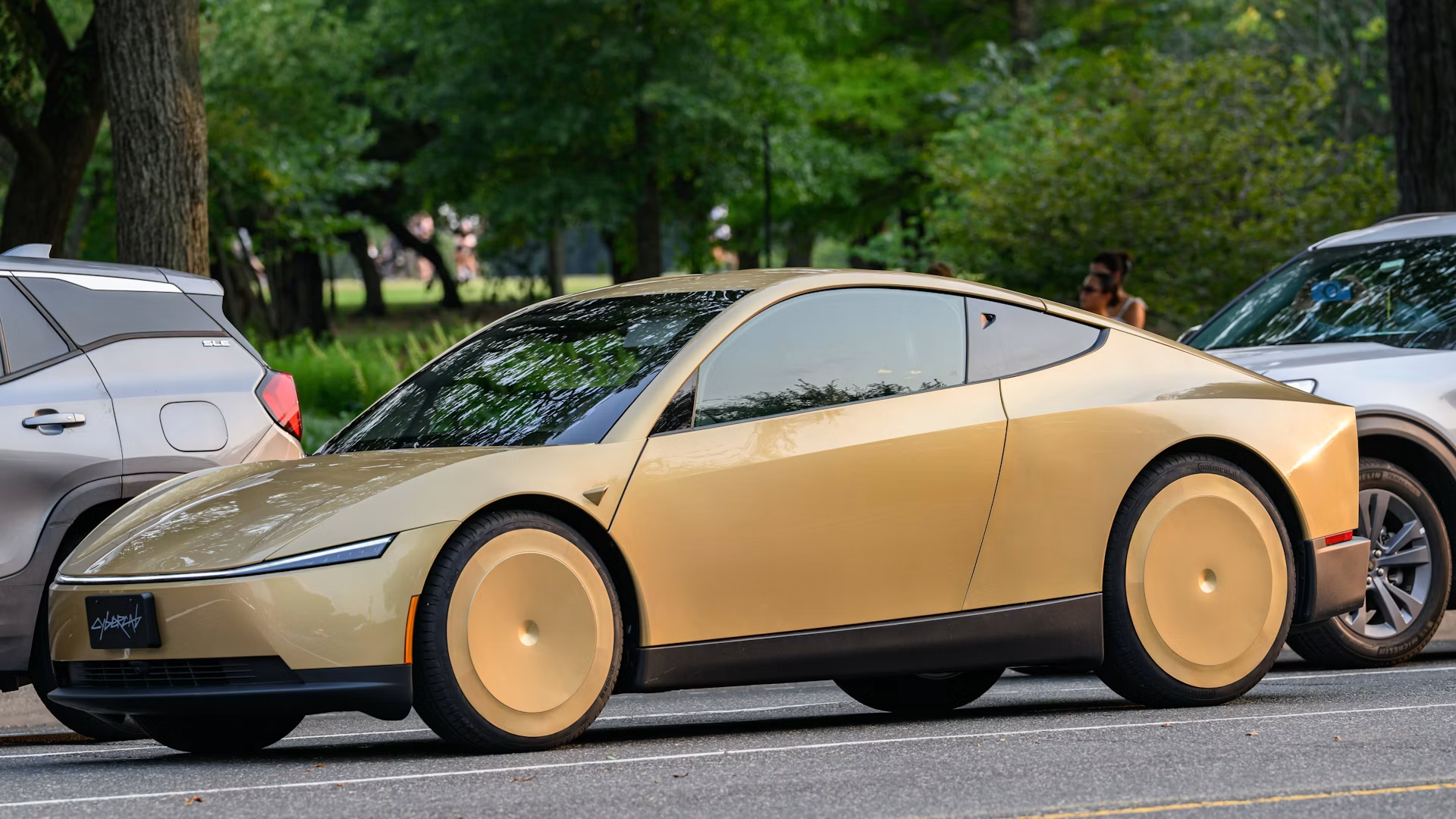
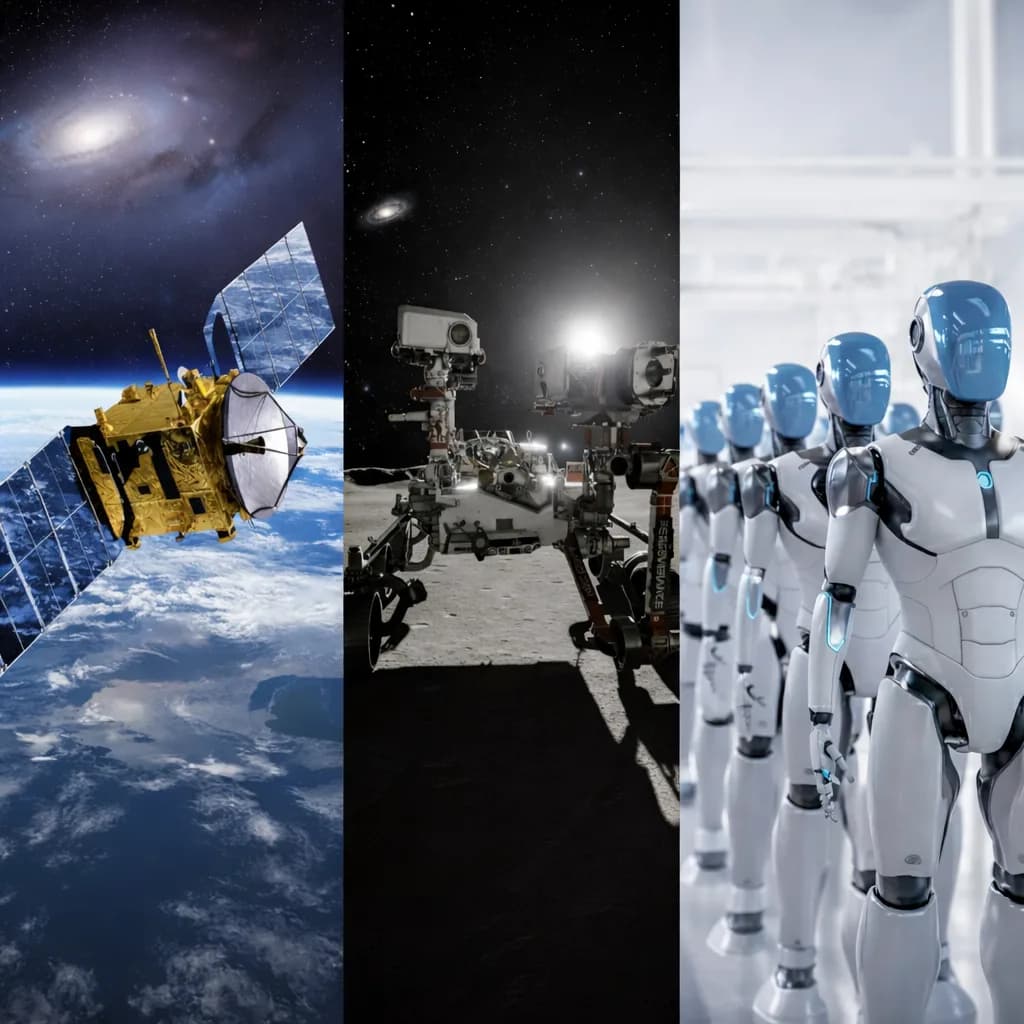
High-performance racing, medical devices, advanced robotics and physical AI, defense systems, and industrial automation all operate outside the assumptions of consumer mobility. These systems demand power density, reliability, lifetime, and environmental resilience that generic cells simply cannot deliver.
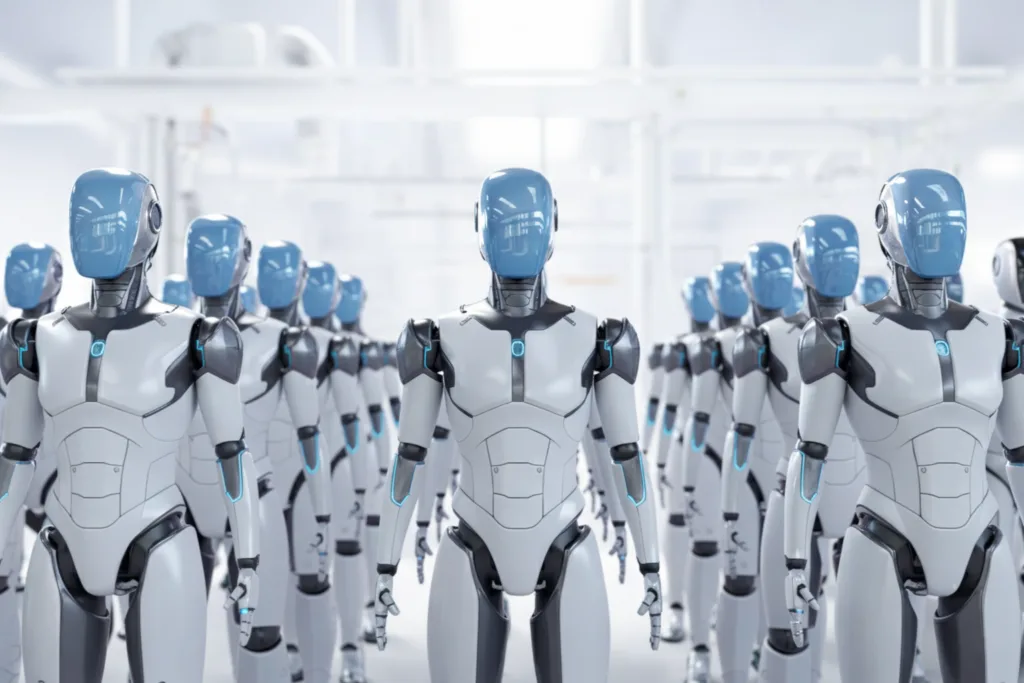
As intelligent machines move from controlled environments into the real world, robots will require batteries that support continuous operation, high peak power, fast response, and absolute reliability. This is another fast-growing segment where standard solutions quickly fall short.
One size fits all quickly becomes one size fits none.
The Final Frontier: Why Space Is the Ultimate Underserved Market
The most striking example of this shift is the space and satellite sector.
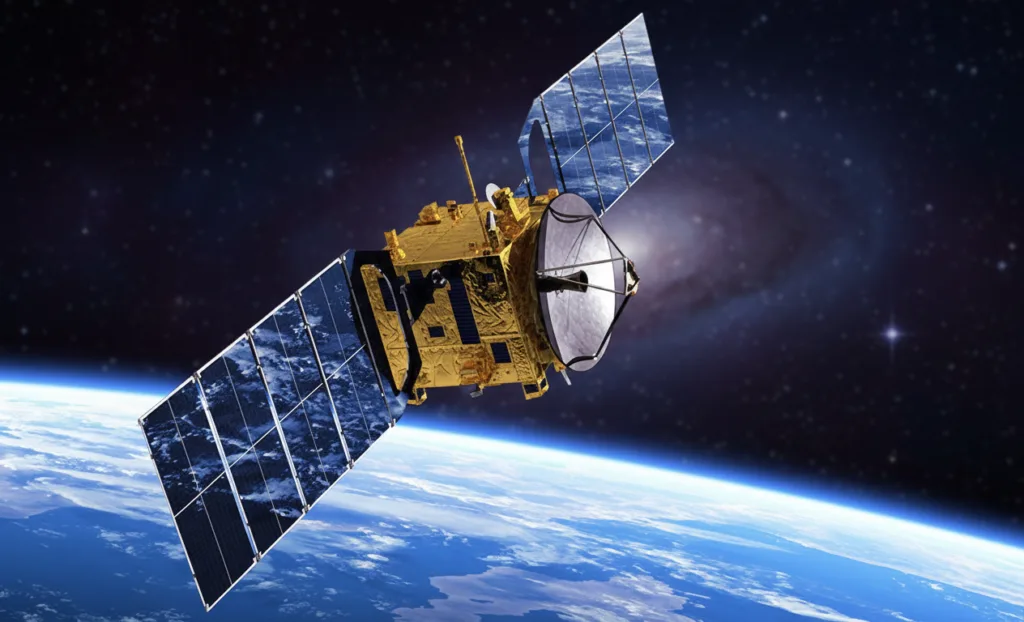
The orbital economy is expanding at an unprecedented pace. Low Earth Orbit constellations for communications, earth observation, and defense are growing rapidly, with satellite launches increasing at roughly 50 percent year over year. These platforms are no longer passive hardware. They are high-power, high-duty-cycle machines.
Their energy requirements are extreme:
- Temperature volatility - swings from +120°C to -150°C within a single orbit
- Radiation exposure - where standard cell structures and liquid electrolytes degrade over time
- SWaP constraints - space, weight, and power, where every gram launched carries significant cost
Despite this, space remains largely ignored by Tier-1 battery manufacturers.
Why? Because from their perspective, a market measured in thousands of satellites and a few billion dollars is insignificant compared to the trillion-dollar EV ecosystem. The economics do not justify application-driven R&D for radiation-hardened, thermally stable batteries when millions of electric vehicles are waiting.
This is not a technology gap. It is a business model gap.
Architecture Over Chemistry: The Addionics Perspective
This is exactly where we believe the future of batteries is headed.
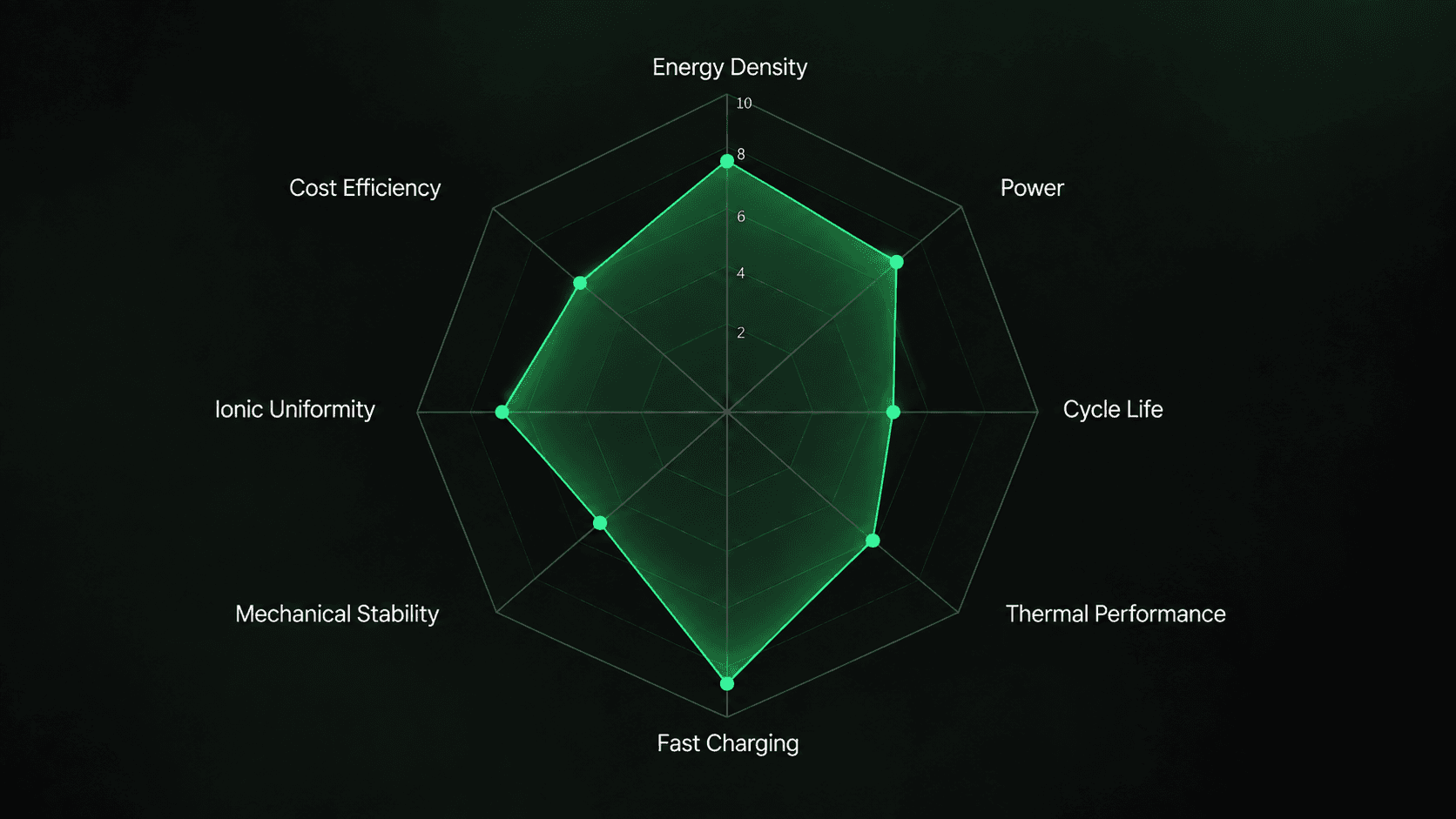
At Addionics, we focus on battery architecture, not chemistry. Our Smart 3D technology allows us to engineer the physical structure of the battery to meet extreme performance requirements without reinventing the underlying chemistry.
If a satellite requires short bursts of 10x power for orbital maneuvers, enhanced thermal stability, or extended lifetime in the harsh vacuum of space, we can tailor the 3D structure of the electrode to deliver that specific performance profile.
The same architectural approach applies to robotics and physical AI, where batteries must support high duty cycles, dynamic loads, and compact form factors without compromising safety or lifetime.
The same approach applies across industries. Automotive remains critical, but smaller, high-value markets are often where true performance boundaries are pushed. Ignoring them means settling for good enough when excellence is required.
Looking Ahead to 2026
2025 taught the industry how to scale.
2026 will teach it how to specialize.
The next generation of leaders will not be defined solely by factory size, but by technological intelligence - the ability to deliver precise, application-specific energy solutions for markets that mass production cannot serve.
From the factory floor to the depths of the ocean and the silence of orbit, the future of batteries will be personal, precise, and bespoke.
2026 is the year we stop settling for generic power.