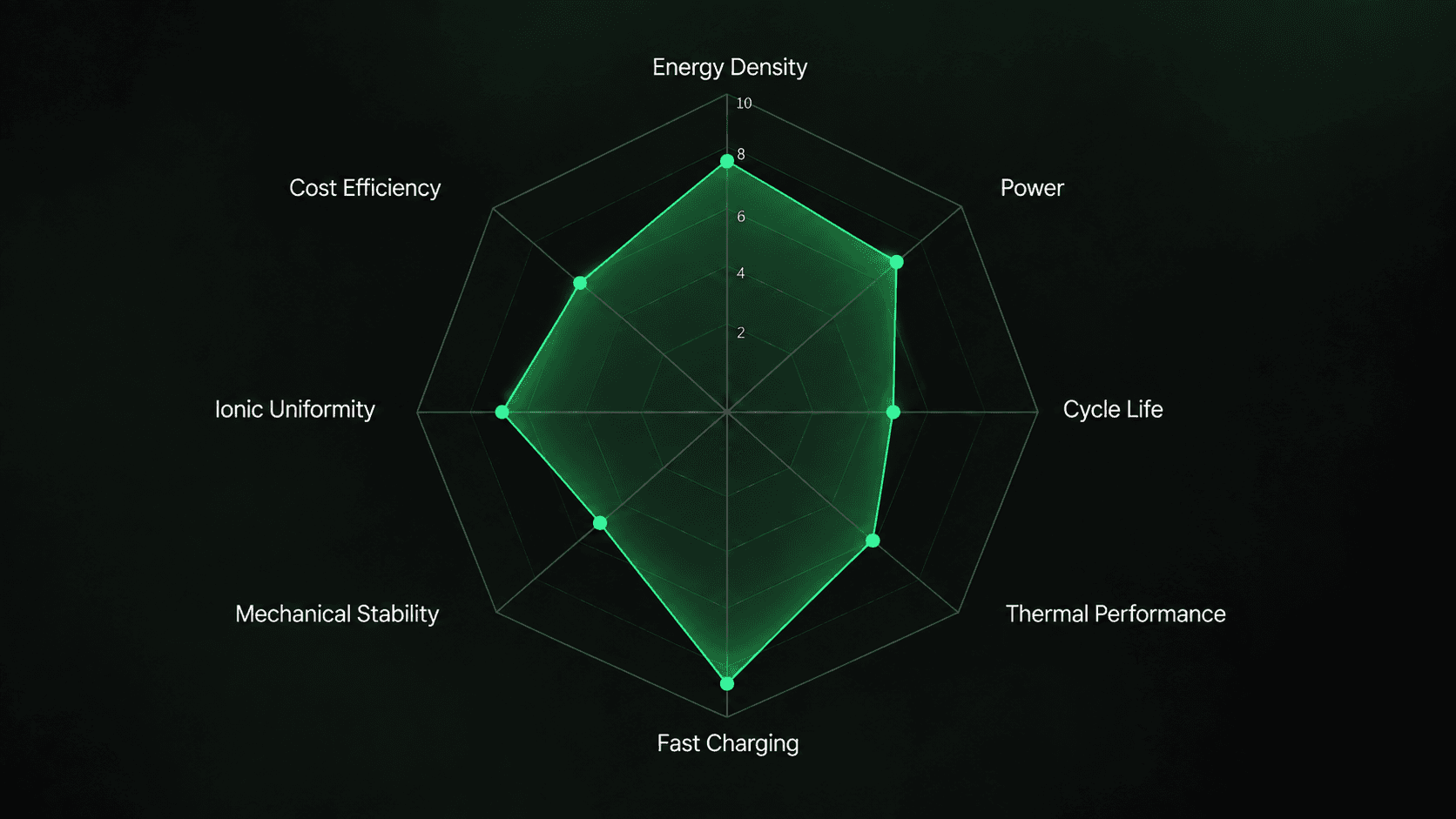
Addionics Is the Virtual BMS Inside the Cell
For decades, the battery industry has been making batteries smarter from the outside in. One of the most important developments in that evolution was the Battery Management System, or BMS…
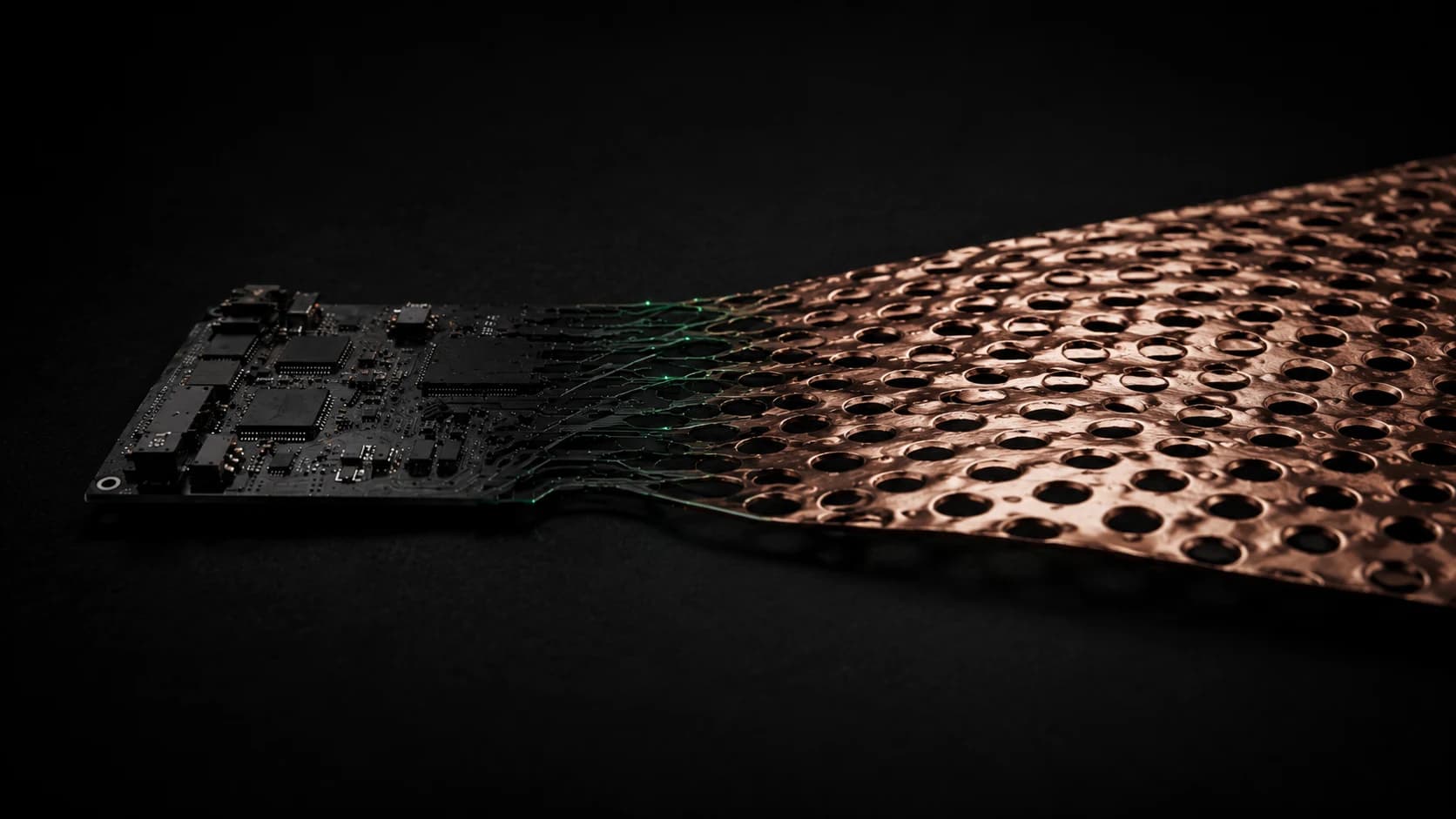
For decades, the battery industry has been making batteries smarter from the outside in. One of the most important developments in that evolution was the Battery Management System, or BMS. It gave the battery pack the ability to monitor individual cells, recognize differences between them, and manage those differences before they compromise the performance of the entire system.
The logic behind the BMS is simple: a battery pack may look like one unit, but it is a system made up of many cells that do not always behave in exactly the same way. Yet, while the industry has become increasingly sophisticated at managing what happens between cells, there is still a level where this intelligence largely stops - inside the cell itself.
The Blind Spot Inside the Cell
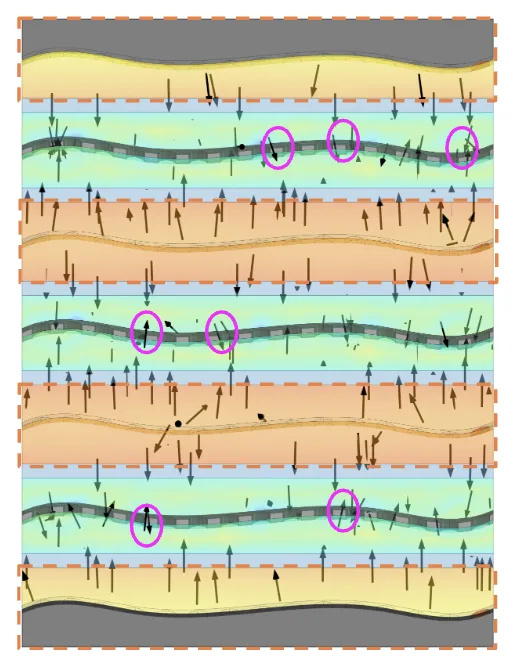
A battery cell is also a system. It is built from repeating electrode layers, each containing an anode, separator, and cathode. Together, these layers determine how the cell stores and delivers energy.
The challenge is that electrochemical conditions inside the cell are not perfectly uniform. As operating conditions become more demanding, ion transport can become more limited, reactions can become less uniform, and parts of the active material can become more difficult to access. What begins as a local limitation inside the electrode can ultimately affect the performance of the complete cell.
At the pack level, we already accept that differences between cells need to be managed. Inside the cell, however, we have traditionally relied on an architecture that offers far less ability to influence how these internal differences develop.
This is the next boundary of battery management.
The Physics of a Virtual BMS
For more than 50 years, the current collector has largely been treated as a passive conductive component. Its role is essential, but its architecture has remained relatively simple while almost every other part of the battery has continued to evolve.
Addionics changes this architecture. Our Smart 3D Current Collectors introduce a porous structure that allows electrolyte and lithium ions to move through the current collector plane, creating more distributed transport pathways and reducing the effective distance ions need to travel through the electrode. This can improve access to active material and help the electrochemical system operate more effectively, particularly when transport becomes a limiting factor.
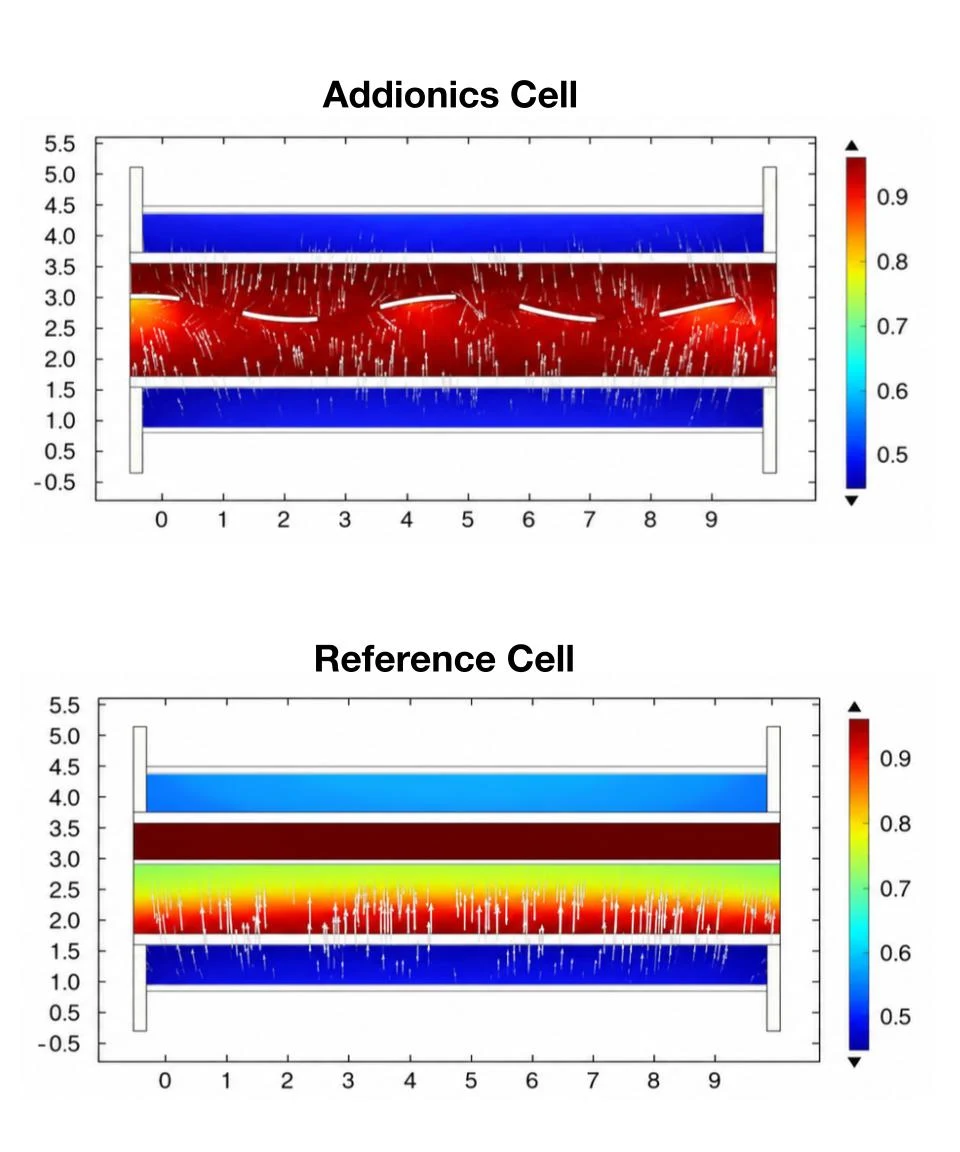
This creates a useful way to rethink the role of the current collector. A traditional BMS manages differences between cells after the battery has been built. Addionics brings a similar philosophy inside the cell through its physical architecture.
It is, in this sense, a new BMS inside the cell.
Not an electronic BMS that monitors or bypasses individual layers, but an architectural one designed to influence the conditions under which those layers operate.
Intelligence Can Be Physical
Today, the word intelligence has become almost synonymous with software. We think about sensors, algorithms, processors, and AI. But some of the most important forms of engineering intelligence are built into the physical design of a system.
A bridge distributes load through its structure. A heat exchanger controls thermal transfer through geometry. Semiconductor performance depends on structures engineered at extremely small scales. In each case, architecture determines how the system behaves before software becomes involved.
Battery cells should be viewed in the same way.
The internal architecture of an electrode determines how efficiently its materials can be used under real operating conditions. This matters increasingly as batteries move beyond the relatively predictable duty cycles of traditional consumer electronics and into fast-charging vehicles, autonomous systems, defense platforms, drones, robotics, and space applications.
These applications are pushing batteries toward higher power, faster charging, lower temperatures, longer operating hours, and more demanding duty cycles. Under these conditions, the question is no longer simply how much energy exists in the active materials. The question is how much of that capability remains accessible when the battery is pushed to its limits.
The Next Level of Battery Management
The BMS changed battery engineering because it taught us to stop looking at the pack as a single homogeneous object. It recognized that system performance depends on what happens at a deeper level.
We now need to apply the same thinking to the cell.
The next generation of batteries will require chemistry, architecture, and manufacturing to work as one system. As applications become more demanding, the internal structure of the cell cannot remain a passive consideration. It has to become part of how performance is engineered from the beginning.
The BMS brought intelligence to the battery pack. The next step is to build intelligence into the cell itself.