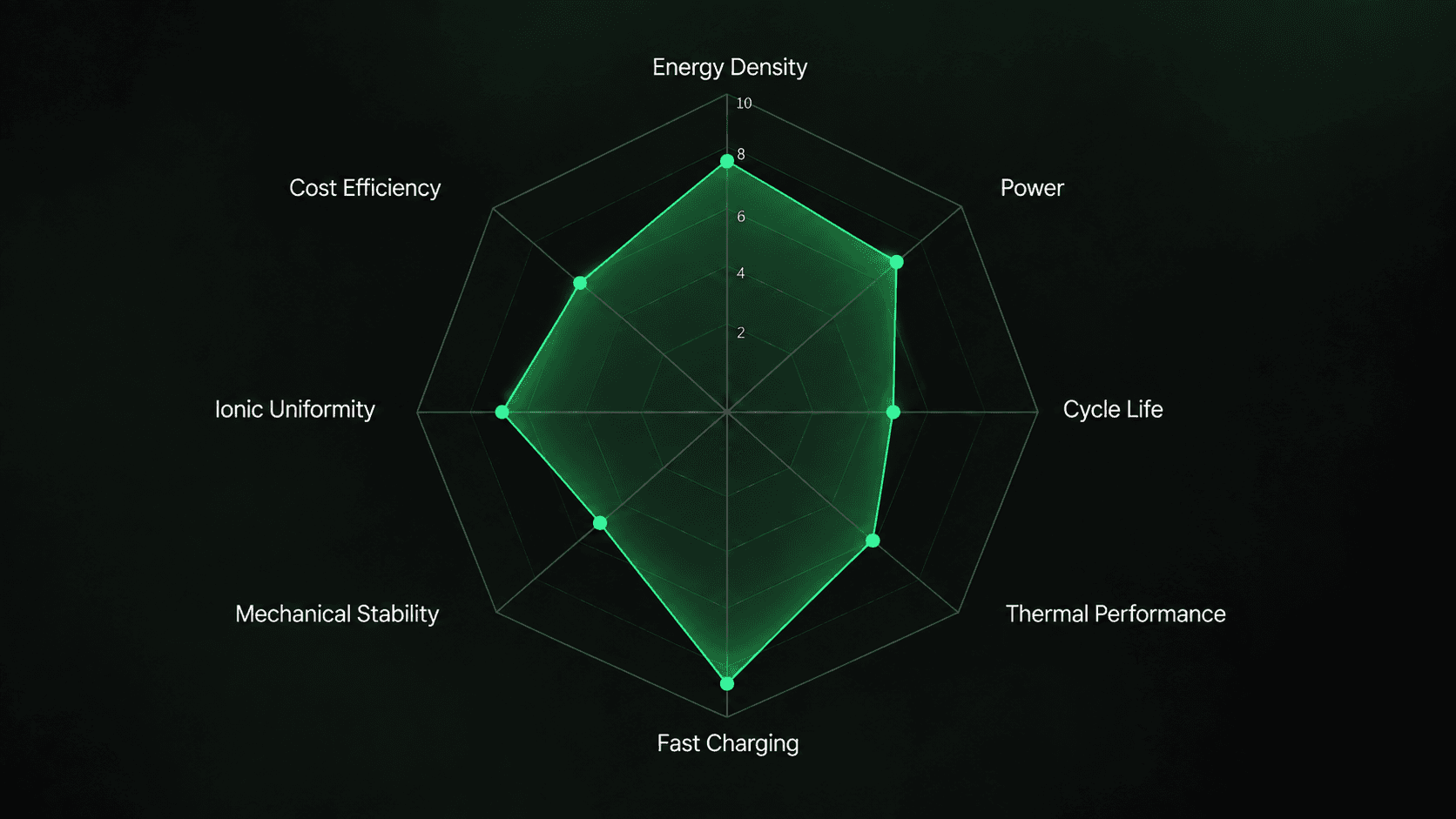
Rethinking Supply Chain Resilience Through Material Efficiency
Supply chain resilience is evolving beyond securing raw materials. Competitive advantage will depend on how much value can be extracted from every input rather than how much supply can be secured.
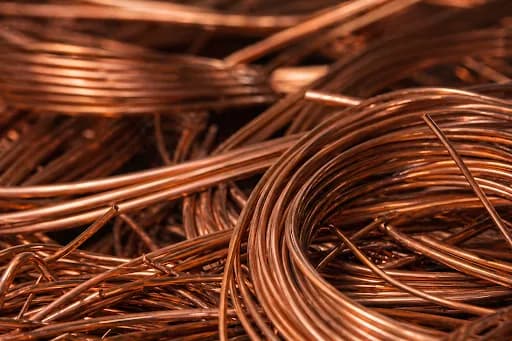
Supply chain resilience is evolving beyond securing raw materials. For years, most strategies have focused on access through diversification, long-term contracts, and geographic risk mitigation. A deeper constraint is now reshaping the discussion across industries. More than ever, material efficiency has become a necessary parameter for improvement. Focus is not just how materials are sourced, but also how effectively they are used within systems. In the case of copper, a foundational material for electrification across energy systems, its demand is expected to rise significantly while structural supply risks persist. Battery material demand is also accelerating with the growth of EVs and energy storage. The next phase of resilience will be defined by performance per unit of material. Competitive advantage will increasingly depend on how much value can be extracted from every input rather than how much supply can be secured.
The Materials as the Foundation of Electrification
Electrification depends on a complex set of materials working together across systems. Conductive metals such as copper and aluminum enable efficient current flow, while active battery materials like lithium, nickel, and graphite drive energy storage performance. Structural and supporting materials ensure stability, durability, and integration across applications.
Growth across these applications is directly increasing the amount of material required per system, with EVs demonstrating this shift clearly. Compared to internal combustion engine vehicles, EVs require significantly higher volumes of both conductive and battery materials. An EV battery can use between 82-91 kg of copper, compared to 18-22 kg in traditional vehicles.
Rising material costs are already influencing battery pricing and system economics. Increasing material intensity across electrified systems is turning supply into a performance constraint rather than a background consideration.
The Growing Gap Between Demand and Supply
Structural constraints continue to limit the expansion of material supply. Long development timelines for extraction, declining ore quality, and bottlenecks in processing and refining all contribute to limited responsiveness on the supply side. In parallel, demand is increasing across multiple sectors simultaneously. Energy storage, electrification, and digital infrastructure are all expanding, with each requiring similar categories of materials. Competition for resources is intensifying as these sectors scale. Pressure on materials such as copper reflects a broader trend affecting many critical inputs.
More Supply Alone Won’t Solve the Problem
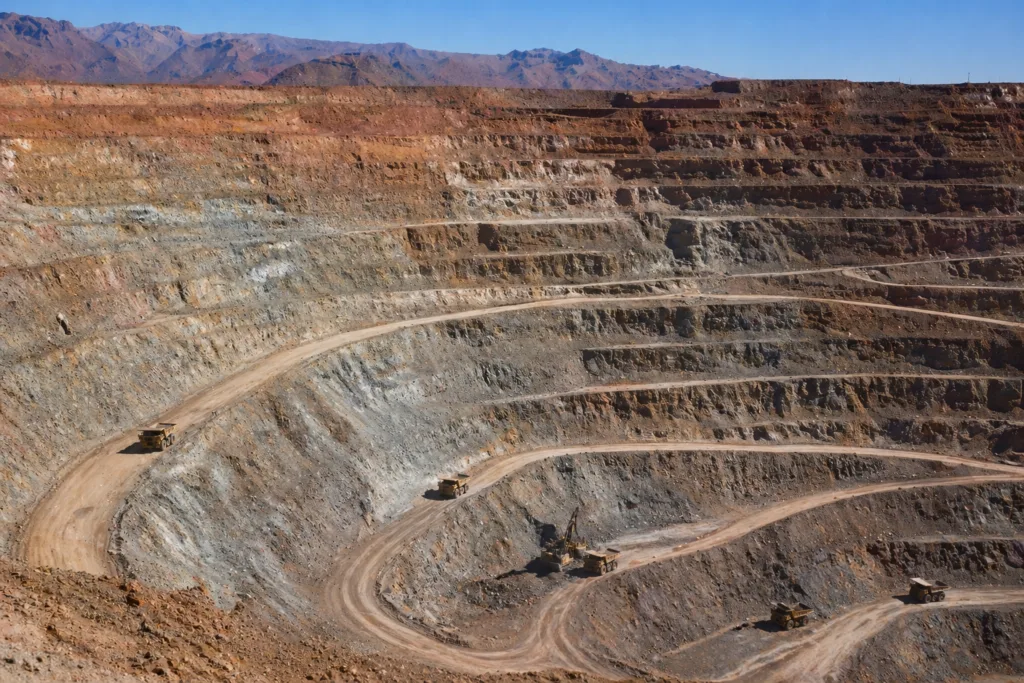
Expanding supply remains necessary but insufficient on its own. New mining projects require significant capital investment, long development timelines, and regulatory approval, all of which slow the pace of supply growth. Environmental considerations further limit how quickly new capacity can be brought online. While recycling plays an important role, it cannot close the gap in the near term due to limited available feedstock and processing capacity.
A more fundamental issue lies in how materials are used. Many systems rely on excess material to compensate for design limitations or performance inefficiencies. Existing manufacturing approaches were not designed with material efficiency as a primary objective, leading to suboptimal utilization across applications. As demand scales to unprecedented levels over the coming decade, inefficiencies will become more difficult to absorb. Increasing supply without improving efficiency extends the underlying problem and those who rely solely on securing more material will remain exposed to volatility, cost pressure, and structural constraints.
The Shift Toward Material Efficiency
Across various industries, a shift is now taking place. Focus is moving from maximizing output to maximizing performance per unit of material. Efficiency is emerging as a key lever for both resilience and competitiveness. Higher energy density systems reduce the amount of material required for a given level of performance. Improved architectures, including advanced electrode designs, enable better current distribution and more effective use of active materials. More efficient utilization of conductive materials such as copper further reduces overall system intensity.
Material efficiency is becoming a design principle rather than an afterthought. Products and manufacturing processes are being redesigned to extract more value from the same inputs. Early adopters are building a structural advantage as resource constraints become more pronounced.
Flexibility as a New Supply Chain Advantage
Material efficiency creates an additional benefit in the form of flexibility. Systems that require less material or can operate effectively across a wider range of inputs are better positioned to adapt to changing conditions. Moreover, the ability to respond to material shortages or price volatility is becoming a critical advantage. Reduced dependence on specific volumes or grades lowers exposure to disruptions and supply fluctuations. Resilience depends on both securing materials and sustaining performance under constraint. Flexibility increasingly results from efficient design and optimized material use.
Redefining Resilience Through Better Use of Materials with Addionics
A clear shift is underway in how supply chain resilience is defined. Focus is moving from securing access to improving material productivity and efficiency as demand continues to grow against persistent supply constraints. Companies that extract more value from each unit of material will be better positioned to scale, manage costs, and navigate volatility.
Addionics addresses this challenge from within the manufacturing process. The technology improves performance and energy density while reducing the amount of material required, including key inputs such as copper. Within this evolving landscape, Addionics reduces copper usage by up to 30% while maintaining and often enhancing performance and design flexibility. This helps lower dependence on raw material extraction at a time when traditional mining timelines cannot keep pace with the demands of electrification, grid storage, and national security priorities.
Material efficiency is becoming a built-in capability rather than a downstream optimization, positioning companies to operate effectively even as constraints intensify. The next phase will be defined by how effectively materials are used, not by how much is available.
Explore Addionics’ technology or contact us for collaboration opportunities.